Blog
Emotional intelligence in children: the key to success and psychological balance

What is emotional intelligence in children? 😔😊🤩
Emotional intelligence is a child's ability to recognise and manage their feelings, as well as to understand other people's feelings and respond to them positively. This ability plays an essential role in building healthy relationships, dealing with challenges, and expressing feelings in effective ways.
The importance of emotional intelligence in early childhood 👌
Developing emotional intelligence in children from an early age contributes to developing their personalities in a balanced way. Children with high emotional intelligence are more able to:
✔️ Adapt to different situations ✔️ Solve problems positively ✔️ Interact with others cooperatively ✔️ Achieve academic and social success in the future
How does emotional intelligence help in daily life? 💁
Children with high emotional intelligence have skills that help them in their daily lives, such as:
🔹 The ability to resolve conflicts with peers calmly 🔹 Working in teams and cooperating with others 🔹 Dealing with stress and frustration in constructive ways 🔹 Balancing emotion and reason in decision-making
Ways to develop emotional intelligence in children 🧠💡
1️⃣ Teaching children to express their feelings clearly
Encourage your child to express their feelings in words instead of anger or withdrawal. Use phrases such as: “I feel sad because…” or “I'm happy because…”.
2️⃣ Building empathy skills
Help your child understand other people's feelings by reading interactive stories or watching social situations and analysing the characters' feelings.
3️⃣ Using interactive games and activities
📖 Interactive books: a great way to teach children emotional intelligence through enjoyable activities that stimulate positive feelings. 🎭 Role play: have your child act out different situations to learn how to handle feelings in a healthy way. 🧩 Cooperative games: such as puzzles and team games to strengthen communication and cooperation skills.
4️⃣ Teaching emotional control
Use techniques such as deep breathing and counting down to help your child manage their feelings when they feel angry or anxious.
5️⃣ Being a good role model
Children learn by observation, so be a good example for them in how to express feelings and interact with others positively.
In summary ✨
Emotional intelligence is not just an extra skill; it's an essential element of a child's success in life. By strengthening this skill from an early age, parents and teachers can prepare children to become understanding, cooperative individuals, able to deal with challenges in healthy and positive ways.
📌 Always remember: investing in your child's emotional intelligence today will have a positive effect on their academic and social future! 🎯
Shop our latest products now
You may be interested in…

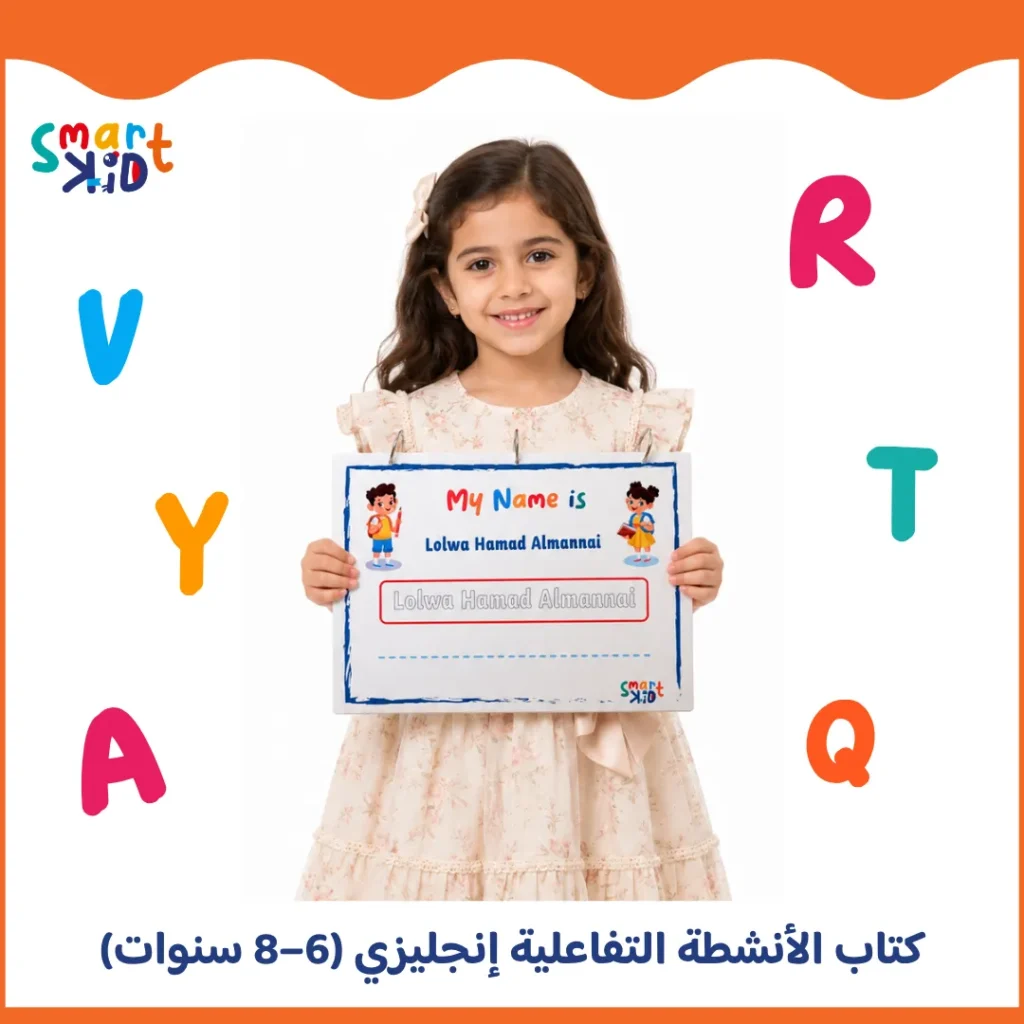
English Interactive Activity Book (Ages 6–8)
Add to cartQAR 175Arabic Interactive Activity Book (Ages 2–5)
Add to cartQAR 175