

Blog, Montessori
Montessori toys versus traditional wooden toys: what's the real difference?
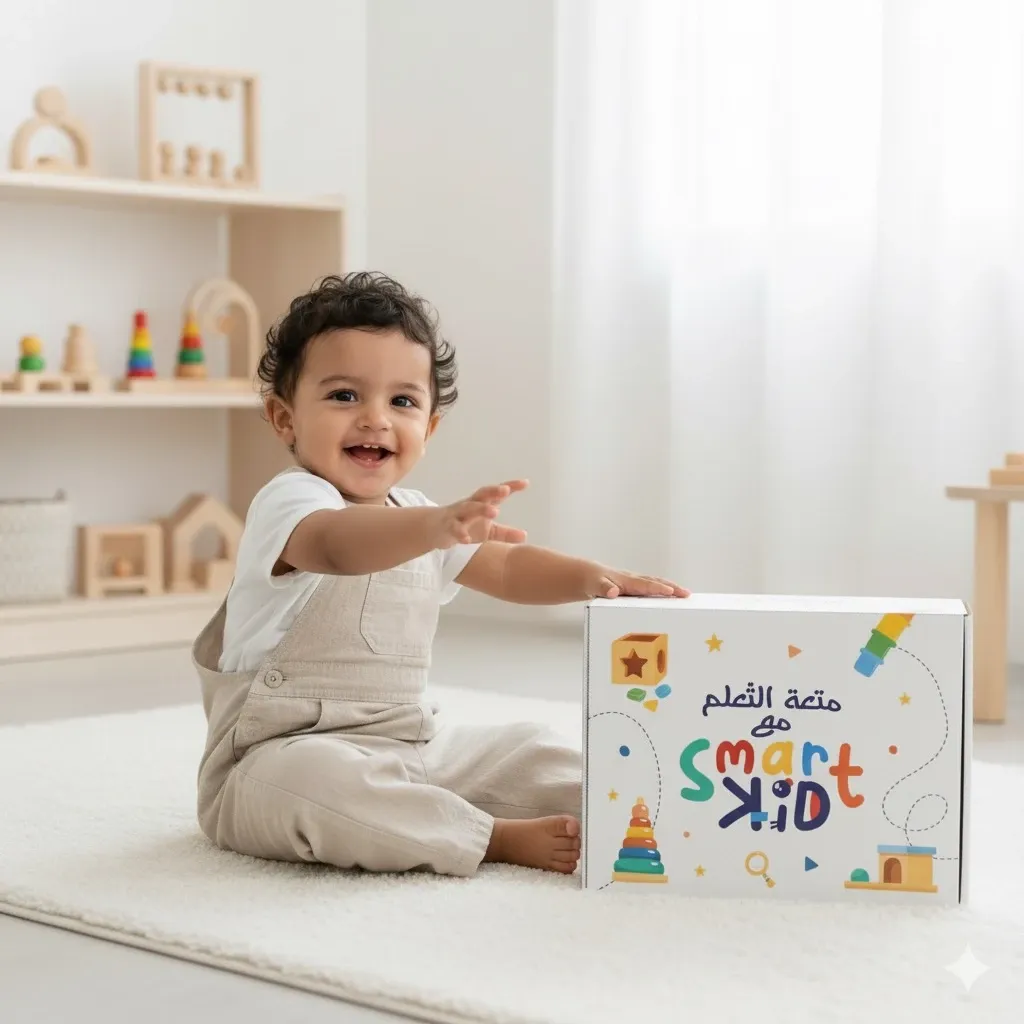
With the popularity of Montessori, many shops now market any wooden toy as a ‘Montessori toy’, although the material alone isn't enough to classify a toy. The real difference goes deeper than whether it's wooden or plastic.
Why isn't wood alone enough?
A wooden toy with a random design may be beautiful, but it only becomes ‘Montessori’ if it targets a specific skill precisely for a certain age stage, and lets your child experiment and make mistakes without doing the work for them.
The real criteria for a Montessori toy
- It clearly targets one specific skill (sorting, grasping, motor coordination) instead of random multiple functions.
- It's designed for a precise age group, not ‘from one to three years’ as a loose general classification.
- It gives your child the main role in play, instead of the toy doing most of the work (self-movement, automatic sounds).
- It allows self-correction, meaning your child discovers for themselves whether the result is correct without constant adult intervention.
How do you make sure when buying?
Ask: does this toy target a specific skill for exactly your child's age? If the answer is vague or very general, it's likely an ordinary wooden toy with a marketing label only.
Frequently asked questions
So is every wooden toy bad?
Not at all; wood is an excellent and safe material, but what matters is precision in targeting age and skill, not the material alone.
Do Smart Kid's boxes meet these criteria?
Yes, each box is designed for a precise age group instead of a general classification, in line with the principle of ‘the right toy at the right time’.
You may also like
- The comprehensive guide to Montessori toy boxes by child's age
- Browse the Montessori toy boxes category
- Montessori toys or screens?

Comments are closed.