


Blog
Educational gifts for kindergarten children: a guide to choosing by age and interest
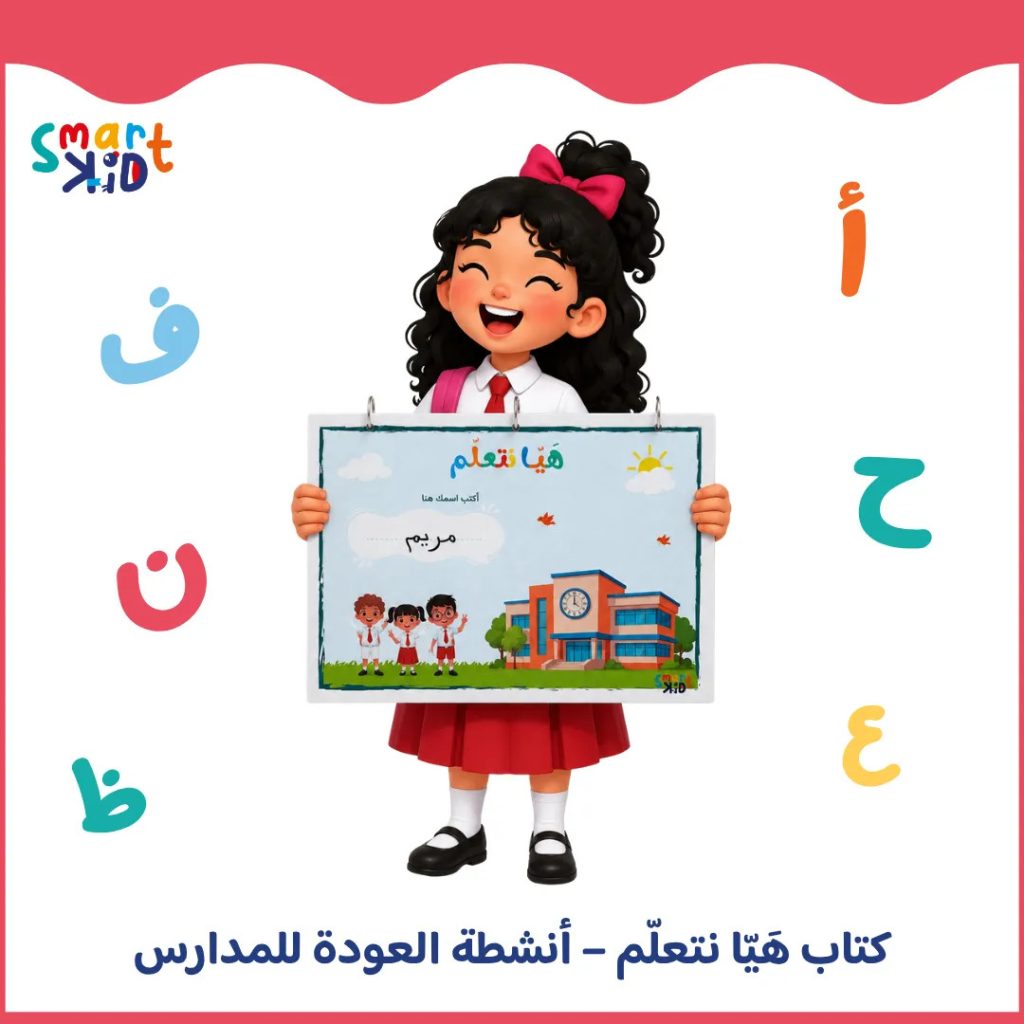
An educational gift for a kindergarten child works when it suits their age, interests and language, and is easy to start with. It isn't enough for it to say “educational” on the box; your child must understand what can be done with it, the materials must be safe, and the family shouldn't need long preparation or many pieces.
Before buying, ask the family about the things your child likes and what they already own. One suitable gift is better than a big set that goes beyond their stage.
The quick answer: what makes a gift practical?
- A clear goal: a story, building, matching, drawing, movement or vocabulary.
- Suitability for age and readiness, and safety warnings.
- A link to a real interest of your child.
- A language they understand or that fits the family's plan.
- A number of pieces that can be stored and used easily.
- The ability to start from the first session without many extra tools.
Ask five questions before buying
- What does your child choose by themselves? Movement, stories, letters, building or drawing?
- What are their age and current skills? Don't choose a higher level just because the gift will last.
- What language is used at home or in kindergarten? Arabic, English, or both for a clear purpose.
- Does an adult need to take part? And do they have time and a clear way to use it?
- Where will it be kept? A gift with many pieces needs a place and a system.
Ideas by age within the kindergarten stage
| Approximate stage | Suitable ideas | What we avoid |
|---|---|---|
| Starting kindergarten | Clear pictures, simple matching, a short story, large drawing tools | Long instructions and small pieces |
| Mid-kindergarten | Sorting, sequencing, early letters and simple building toys | An activity that depends on independent reading |
| End of kindergarten | Deeper puzzles, sequenced stories, early writing and short projects | Repetition that's too easy with no challenge |
These are approximate stages. Ask about actual readiness, especially pen use, small pieces and multi-step instructions.
Ideas by type of child
A child who loves movement
Choose a throwing or balance toy suited to the space and age, or cards that lead to movement: jump, search, match something in the room. Don't make a sitting gift the only option just because they've started kindergarten.
A child who loves stories
An illustrated story with characters close to their interest, or a set of pictures for making a story. Look for suitable text and durability that supports repeat use.
A child who loves letters and words
Clear cards, a letters book or a personalised-name activity can be appealing, provided it doesn't turn into a writing chore. It can be combined with the letter of the day routine.
A child who loves building and problem solving
Choose a puzzle or construction with a suitable number of pieces, a clear picture of the result, and a progression that allows an independent attempt.
A child who loves drawing
A good notebook and age-appropriate pens may be better than a complicated toy. Add stickers or a small card with optional drawing suggestions.
Ideas by language
If the family focuses on Arabic, choose a story, vocabulary or letters in clear Arabic. For English, ask whether your child is a beginner or knows words so the gift isn't too hard. And if the gift is bilingual, make sure each language has a real benefit and isn't just disorganised repetition.
Don't assume the double bundle suits everyone. The guide to choosing an activity book in Qatar explains when to choose one language and when the bundle makes sense.
Ideas by budget without fixing prices
| Range | Idea | How do we make it personal? |
|---|---|---|
| Simple | A story, a drawing pad or good home-made cards | The child's name and a usage card |
| Mid-range | An interactive book, a durable puzzle or a vocabulary set | Choosing a language or an interest |
| Shared gift | A complete set with a single goal | Organised wrapping and a message from the contributors |
Check the price and stock at the time of ordering; don't make the number of pieces the only measure of value. A smaller product used regularly may be better.
A quick decision table
| Need | Gift type | What to avoid |
|---|---|---|
| A repeated quiet activity | A wipe-clean book or a puzzle | A higher level of skill |
| Language and vocabulary | A story or organised cards | Lots of words with no context |
| Expression and creativity | Drawing or an open story | Narrow rules and a single outcome |
| Movement | A big toy that's safe and suits the space | Small pieces or unsafe indoor use |
| Independence | An activity with steps and a clear picture | Tools that need an adult all the time |
When is an interactive book a good gift?
When your child loves matching, tracing or repetition, and the family needs an organised, ready-made activity. Check the photos of the pages, the type of activities, the age and language, and whether it's wipe-clean and how to clean it. Personalising with the name may add meaning if your child enjoys seeing their name, but it doesn't make up for an unsuitable level.
Before choosing, see the definition of an interactive book and its quality criteria.
When isn't it suitable?
If your child prefers constant movement or free drawing, doesn't use a pen yet, or already has similar books, a story, art supplies or a shared experience may be better. A writing-based book also isn't suitable for a child who doesn't want to sit right now.
Wrapping and a personal touch
Use wrapping that opens easily, and avoid small ribbons or unsafe decoration. Add a short card for the adult: what is the gift? What's the first activity? And what needs supervision? You can write your child's name or choose a colour they like without adding extra personal information.
If the gift is personalisable, check the spelling of the name before ordering, because correction after production may not be possible.
How do you present the gift to your child?
Don't open all the pieces at once. Present one part, offer a short model, then let them decide. Don't ask them to complete the activity in front of guests or to thank you as a performance. They can come back to it after the occasion calms down.
Common mistakes
- Buying what pleases the adult, not what attracts the child.
- Relying on age alone and neglecting readiness.
- Choosing a language the family doesn't currently use.
- Equating many pieces with value.
- Ignoring storage space and the cleaning method.
- Calling the gift “educational” with no clear goal.
Choosing the gift by occasion
Birthday
The gift can be more personal and tied to your child's current interest. Ask about the colour, character or skill they talk about, but don't base the decision on a passing fad if the material or age isn't suitable.
Starting kindergarten
Choose something that eases the home routine: a story about the first day, a simple organising bag, a drawing pad, or a short activity that can be used after coming back. Avoid presenting the gift as a treatment for anxiety or a guarantee of school readiness.
A family visit
A single piece with few parts and simple wrapping is easier than a set that needs immediate assembly. Add a receipt or exchange information for the adult if available.
A shared gift from several people
Agree on one goal instead of buying repeated toys. A shared set may be durable and organised, but the space and preference must be known beforehand.
For siblings: do we buy one shared gift?
You can if the activity is genuinely cooperative and the ages are close, with enough pieces and simple sharing rules. But a book that one child writes in, or a toy with an individual role, may cause competition. In that case choose two small matching gifts or an activity with a clear role for each child.
Don't make the older child responsible for teaching the younger one all the time. An adult's involvement in the first session helps distribute roles and protect the pieces.
Checklist on receiving the gift
- Check the age and safety warnings on the packaging.
- Count the pieces before presenting it and keep the instructions.
- Check the edges, smells and detachable parts.
- Check the spelling of the name and the language if it's personalised.
- Test the pen or the opening mechanism according to the instructions.
- Keep the order and exchange information out of your child's reach.
How do we know after a week that the gift is suitable?
Don't judge from the moment of opening alone. Your child may be busy with the occasion. Over a week, watch whether they return to the gift, whether they understand its goal, whether they need less help, and whether it can be stored and taken out easily. If they don't engage, try a simpler model or leave it for a while and bring it back.
A gift succeeds when it adds a meaningful experience, not when it stays on display. And if it turns out the level isn't suitable, don't turn it into homework. Use the exchange policy if available or keep it safely for later.
A small card to put with the gift
Write the adult three sentences: “This activity focuses on matching and tracing. Start with one page for five minutes. The pen and pieces need supervision”. This card reduces uncertainty at the start and prevents opening everything at once. For your child, a loving phrase is enough, without a promise that they'll become “smarter” or get ahead.
A quick comparison before paying
| Ask | If the answer is yes | If the answer is no |
|---|---|---|
| Will they use it this month? | Review the details and stock | Choose a closer level or a simpler idea |
| Do the parents know how to start? | Add a short card | Choose a clearer product |
| Does it have a storage place? | Check the size | Choose fewer pieces |
| Is the language suitable? | Review the examples inside the product | Change the edition or the type of gift |
These questions prevent a decision based only on the look of the cover. If interior photos or clear age information aren't available, ask the seller before ordering.
Frequently asked questions
Should I ask the parents before buying the gift?
Yes, especially about the exact age, language, interests, things they already own, and any allergies or safety requirements.
Should I buy a gift for a higher level so it lasts?
It's better to choose a level that suits now with a little room to grow. A hard gift may stay unused.
Is a personalised gift always better?
Not always. It's better when the personalisation serves your child's interest, such as their name, while the activity remains suitable.
Should I choose a set or a single piece?
Start with a piece with a clear goal, unless you're sure the whole set will be used and has a place.
Summary
Ask about age, language and interest, then choose one gift that is easy to start with and safe. Once you've identified the need, you can compare the options in the interactive activity books category rather than buying a big set just because it looks like more.

Pingback: Educational Gift Guide by Age in Qatar