


Blog
How to use an activity book with your child without pressure: a practical guide for parents
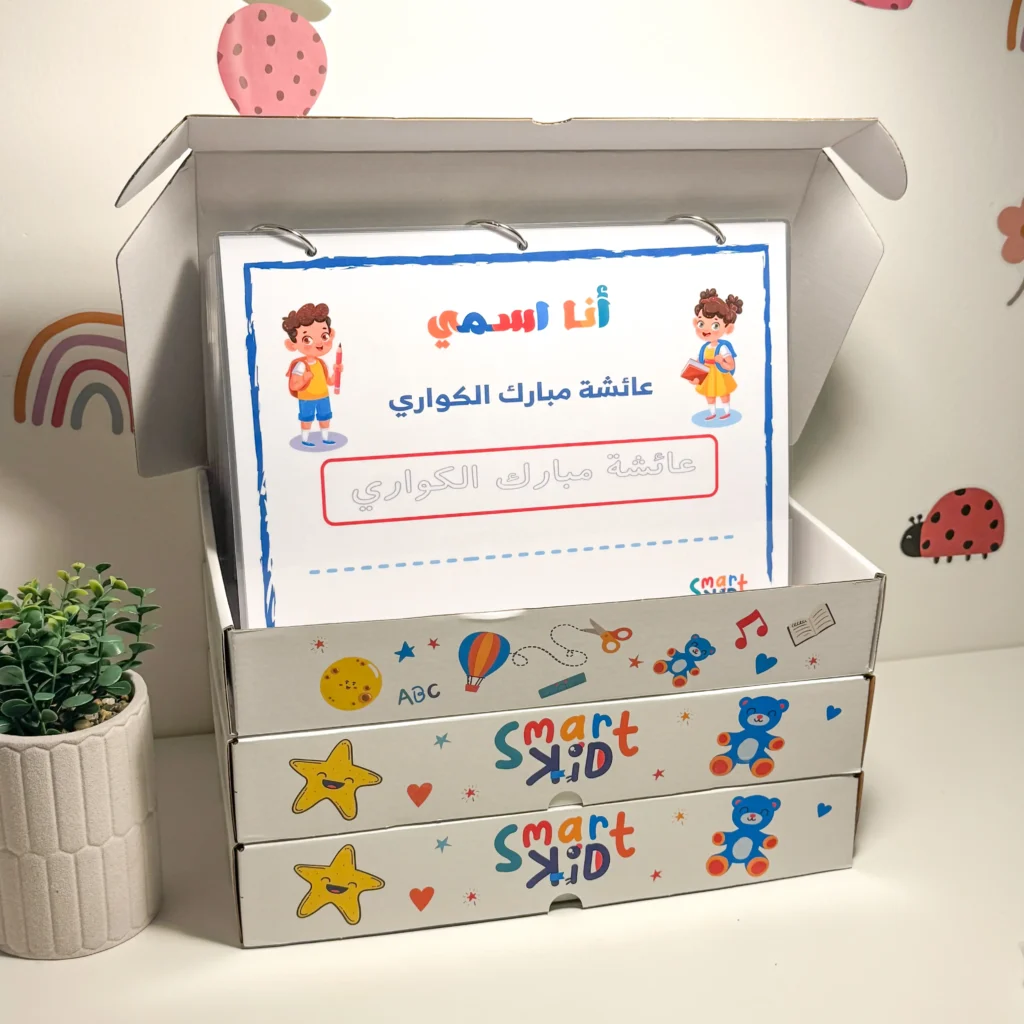
Using an activity book without pressure doesn't mean leaving your child alone or dropping guidance; it means keeping the session short, the goal clear, and mistakes a natural part of trying. Your child may be excited about one page and leave another, draw outside the line, or ask to repeat the same activity. Your role is to offer a calm frame that helps them experiment without the page turning into a test.
This guide explains how to choose the time and the activity, what to say when a mistake happens, how to handle refusal and repetition, and when to stop or move up a level.
What makes an activity session stressful?
Pressure doesn't always come from harsh words. Sometimes it starts with expectations bigger than your child's energy: finishing several pages, sitting for a long time, or offering a harder activity just because their age is written on the cover. Your child may also feel pressure when we correct every movement, hurry to finish the task for them, or compare their performance with a sibling or friend.
- The goal of the session is to finish a set number of pages.
- Your child is hungry, tired or wants to move.
- The instructions are long or contain more than one step.
- The level needs a skill your child hasn't yet secured.
- Praise is tied only to the correct answer.
The practical alternative is a small goal: to choose, to try, to match two items, or to trace a single line. Success here means your child wants to come back, not finishing the book quickly.
Before opening the book: three simple decisions
1. Choose a suitable time
Avoid times of hunger or sleepiness, or after a busy day. Five to ten minutes may be enough at first. If your child is very active, you can offer an activity that involves picking up or sorting pieces before the tracing and writing activity.
2. Prepare a place with few distractions
You don't need a full study desk. A stable surface, good lighting, and just the book and pen are enough. Keep lots of toys out of sight, and leave water and food outside the wipe-clean book's space.
3. Set a realistic expectation
Choose one activity and a backup option. Don't announce: “We'll finish the lesson”; say instead: “We'll try one page, then decide if we want to continue”.
Steps of a comfortable session from start to finish
- Offer two options: “Shall we match the colours or trace the number?”. A limited choice gives your child a role without overwhelming them.
- Explain in one short sentence: “Put each picture next to the one that looks like it”. If needed, give just one example.
- Wait before helping: leave a few seconds for them to think and try. A brief silence isn't failure.
- Use a small hint: point to where to start or reduce the options instead of giving the answer.
- Describe what you see: “I noticed you started from the top” or “you picked blue”. Describing is more precise than constant general praise.
- Accept a different safe way: if the activity achieved its goal another way, ask your child to explain their idea before correcting it.
- End clearly: wipe the page and put the pen away together, then decide whether the activity will come back tomorrow.
What do I do if my child refuses?
Refusal is information, not a challenge to be won. Use this short sequence:
| What happens | The suitable response | The next step |
|---|---|---|
| Refuses before looking | Don't force them; offer a movement option or another time | Come back later without threats or a big reward |
| Starts, then quickly withdraws | Reduce the task to a single item | Finish after a small successful attempt |
| Says “It's hard” | Offer a model or a single hint | Go back a step in level if the frustration repeats |
| Always wants just one page | Allow repetition | Add a small change once they feel safe |
If the refusal is linked to sitting, don't try to fix it with more pages. A similar idea can be done with household items, then return to the book another day. You'll find free examples in the guide to short home activities.
Should I correct the mistake?
Correct when the correction serves understanding, not merely to reach a perfect page. Before stepping in, ask: is my child still thinking? Is the mistake safe? Do they know the activity's rule?
| Instead of | Try saying |
|---|---|
| No, that's the wrong answer | What made you choose this picture? |
| Give me the pen and I'll show you | Do you want a hint or another try? |
| Concentrate, we've already explained it | I'll repeat the instructions in one step |
| Draw inside the line | Start from this dot, and try slowly |
| You're clever because you got it right | You tried more than one way until you got there |
If they repeat the same mistake, they may need a concrete example or a simpler activity, not a longer explanation. And in pre-writing skills, big lines and finger movement may come before using a pen.
When do we stop?
Stop when concentration turns into repeated resistance: pushing the book, throwing the pen, obvious distraction, constantly asking you to do the task for them, or random answers after good attempts. These signs don't need a diagnosis; it's enough that the session's energy is over.
You can say: “It looks like you've had enough today. We'll tidy up and come back when you want”. Don't open one last page as a negotiation. Conversely, if your child asks to continue and is comfortable, a second short activity can be added without turning that into a daily rule.
How do we use repetition without boredom?
Repetition matters because your child may notice the second time what they didn't see the first time. But repeating a page doesn't mean repeating the same words and method.
- One time your child explains the instructions to you instead of you explaining them.
- One time they use a different colour or start from another point.
- One time they do the activity in silence, and another time they name the pictures.
- One time you add a single question: “What is similar at home?”
- One time you record the time, only if your child likes a challenge, with no comparison to another child.
If the book is wipe-clean, clean the page in the way the product describes and let it dry before closing. Put the pen back in its place so the next session starts quickly.
Three realistic scenarios
A younger child who only wants to hold the pen
Start with big lines or simple matching, and leave a minute for free drawing in a safe space. Don't expect accurate tracing. If gripping the pen is tiring, try pointing with a finger first.
A child who knows the answer but asks for help straight away
Say: “I'll help you with the first step, then you continue”. Reduce your help gradually: a full model, then a hint, then a question, then waiting.
An older child who gets bored with the easy activity
Don't increase the number of pages; increase the depth of the question. Ask them to explain the rule, invent an example, or find a deliberate mistake. If the activity stays easy over several sessions, review the level.
How do I know my child is ready for a higher level?
Age is an approximate indicator, while readiness shows in behaviour across more than one session. They may be ready when they understand one- or two-step instructions, complete most of the activity with relative independence, can correct some mistakes after a hint, and ask for a new challenge instead of withdrawing.
Don't move on because the current book is “finished”. It can remain suitable for repetition while you add one harder activity. The guide to choosing by age, language and level helps you compare the decision before buying.
Do and don't
| Do | Don't |
|---|---|
| Start with one page | Don't make finishing pages a daily goal |
| Offer two clear choices | Don't show the whole book at once |
| Use a hint, then wait | Don't do the task for your child too quickly |
| Describe the attempt and the choice | Don't tie encouragement only to the correct answer |
| Stop when interest fades | Don't use the activity as a punishment or a bargaining chip |
The help ladder: how do you reduce your intervention step by step?
Help isn't all or nothing. Use a ladder of five steps, and start with the lowest that is enough. The first step is calm waiting; your child may need time to understand the picture. The second is a short question such as “Where is the start?”. The third is pointing with your hand to two options or covering the distracting items. The fourth is a partial model in which you do only the first movement. The fifth is a full model, then handing the task back to them from the beginning.
If your child needs the full model every time, the task is probably new or hard. Go back to an activity they know, then introduce the new element on its own. Keep in mind the type of help that worked, not the number of answers. Over the days, the aim is to come down a step on the ladder, not to withdraw help suddenly.
How do you choose the first page in the session?
The start affects how your child feels about the rest of the session. The best first page is relatively familiar, visually clear, and doesn't require two new skills together. If the goal is learning a letter, don't have your child learn how to use a new pen and deal with long instructions at the same time. Choose a page whose idea they can grasp quickly, then put the most challenging page in the middle if they stay interested.
- On a low-energy day: matching or a simple visual choice.
- On a very active day: an activity that involves pointing or looking for examples around them.
- When learning a new skill: one example, then just one attempt.
- After a break of several days: return to a favourite page before the new one.
A flexible weekly routine without duties
You aren't required to open the book every day. It can be used two or three times a week, with play, stories and movement on the other days. A flexible example: a day for matching, a rest day, a day for tracing, then repeating the activity your child chose at the end of the week. If the family gets busy, don't make up for missed days with a long session; simply return to a short page.
This routine helps you notice change: do they ask for help less? Do they now explain the rule? Do they stop while still comfortable? These are practical indicators that matter more than counting pages. You can also refer to the definition of an interactive book and its types of activities if you want to know what a book is supposed to offer in the first place.
Frequently asked questions
How many pages are enough for a session?
One page can be an excellent session, especially at the beginning. The number depends on your child's energy and the nature of the activity, not just their age.
Should I leave my child completely alone?
Independence is gradual. Stay close for safety and guidance when needed, and reduce your intervention when it's clear they've understood the task.
Should I use a reward after every page?
Not every activity needs an external reward. Choice, a short time, specific encouragement, and your child's sense of having mastered a step may be enough.
When do I not open the book at all?
When they're tired, hungry or upset, or when your child needs movement or connection. A story, free play and rest aren't lesser alternatives.
The next step
Choose a suitable level, then start with one page and let success mean wanting to come back. And if you're looking once you've identified the skill and age, compare the options in the interactive activity books category without needing to buy more than your child needs.

Pingback: Montessori Activities for Two-Year-Olds at Home: Safe and Simple Ideas
Pingback: 10 Home Activities for Children with Simple Tools and a Weekly Schedule
Pingback: Choosing an Activity Book for Children in Qatar: Age, Language and Level